NAMO
NAMO
Hydrogen
HomeAboutTechnologyWhy NAMOPartnersContact
Request Briefing
Patent Granted · IIT Validated · Govt. of India Aligned

Supersonic Hydrogen.
Zero Emission.
Real Deployment.

The Engine Has Always Had the Answer.

For over a century, engines have wasted over 60% of their fuel energy as heat. NAMO converts that wasted thermal energy into clean hydrogen fuel — onboard, in real time.

0+Sustainability
Partners
0%+Engine energy wasted as heat
Onboard H₂Generated directly inside the system
ZeroExternal infrastructure required
CleanerCombustion through H₂ injection
About NAMO Hydrogen

Engineering Hydrogen
for Real-World Mobility

NAMO Hydrogen is a clean energy innovation company built on more than 18 years of engineering expertise through NG Automobile Engineering Pvt. Ltd.

The company's patented onboard hydrogen generation technology uses recovered engine thermal energy to support cleaner and more efficient mobility systems.

The science came first. The company followed.

0+

Years Engineering Expertise

NG Automobile Engineering

0 Patent

Govt. of India Granted

India + PCT International

0¢/kg

H₂ Cost Achieved

₹20/kg verified by Govt.

0%

Pollution-Free Potential

Hydrogen combustion output

Innovation Journey

Key Milestones

18+ years of automotive engineering research
Development of convergent photovoltaic innovation
Creation of the Dual Source Hydrogen Fuel Generator
Development of the Supersonic Hydrogen Higher Efficiency IC Engine
Government proposal submissions under India's hydrogen roadmap
IIT technical discussions and engineering engagement
International patent protection through PCT filing
NAMO Hydrogen Research

Thermal Recovery

Automotive
Heavy-Duty Transport
Marine Mobility
Industrial Systems
Our Technology

Hydrogen Solutions
for Every Sector

From supersonic engine systems to onboard hydrogen generation, NAMO delivers practical clean energy for transport and industry.

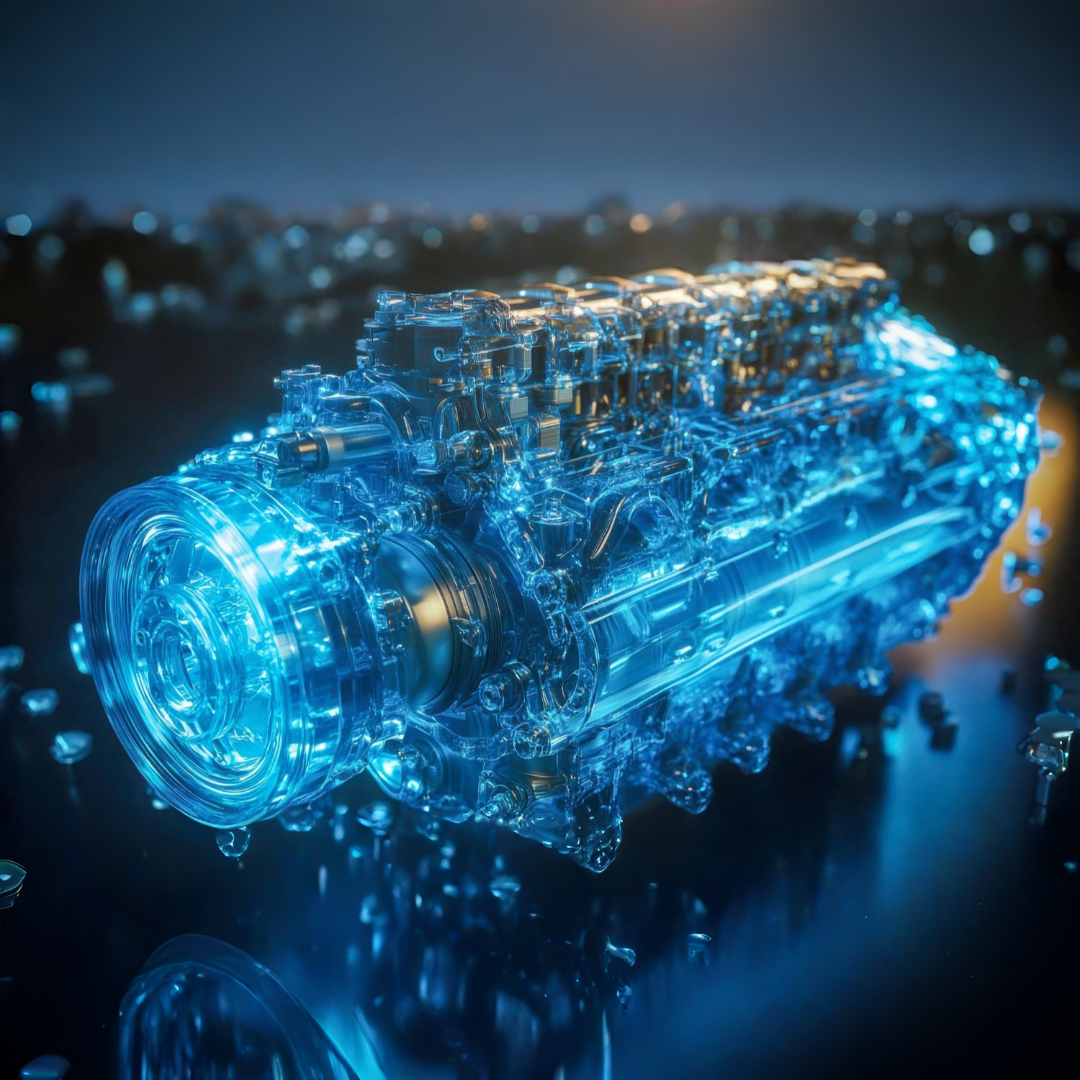
Supersonic H₂ IC Engine

Core technology combining thermal recovery and hydrogen-assisted combustion within existing ICE architectures.

01 / 05
Supersonic H₂ IC Engine
DSHFG — Onboard H₂ Generation
Automotive Integration
Industrial Decarbonization
Fleet Hydrogen Solutions

01 of 05

Supersonic H₂ IC Engine

NAMO Technology
Industrial background
What Makes It Different

NAMO Does Not Fit the
Hydrogen Colour Chart.
It Transcends It.

Get Technical Details

No Hydrogen Stations

Hydrogen is generated where the engine already exists. No fuelling infrastructure required anywhere in the deployment chain.

No High-Pressure Storage

Hydrogen is produced on demand and consumed immediately — eliminating storage complexity, cost, and safety risk.

Existing Engine Compatible

Designed for bolt-on integration with current ICE architectures. No full platform redesign required for OEMs or fleets.

Works Anywhere

No dependency on charging grids or regional hydrogen distribution networks. Operates where engines already run.

Self-Reinforcing System

Higher efficiency supports more stable thermal conditions, which supports better hydrogen generation — a continuous improvement cycle.

Decentralized Energy Model

The vehicle itself becomes the energy producer. Removes geography-based exclusion from clean energy access.

How It Works

Waste Heat Becomes Fuel

Traditional engines waste massive amounts of thermal energy through exhaust heat. NAMO converts that wasted energy into usable hydrogen fuel through its patented DSHFG system.

Waste Heat
H₂ Gen
Injection
Cleaner Output

Step 01

Waste Heat Recovery

Engine heat is captured instead of wasted. The DSHFG system intercepts thermal energy from the exhaust cycle in real time during operation.

Step 02

Hydrogen Generation

Recovered heat assists high-temperature electrolysis. Distilled water is separated into hydrogen and oxygen onboard — no external supply required.

Step 03

Hydrogen Integration

Generated hydrogen is fed directly into the combustion cycle, enhancing efficiency and reducing carbon-heavy exhaust emissions during operation.

Step 04

Efficiency Loop

Better combustion creates more usable heat, strengthening the hydrogen generation system continuously — a self-reinforcing clean energy cycle.
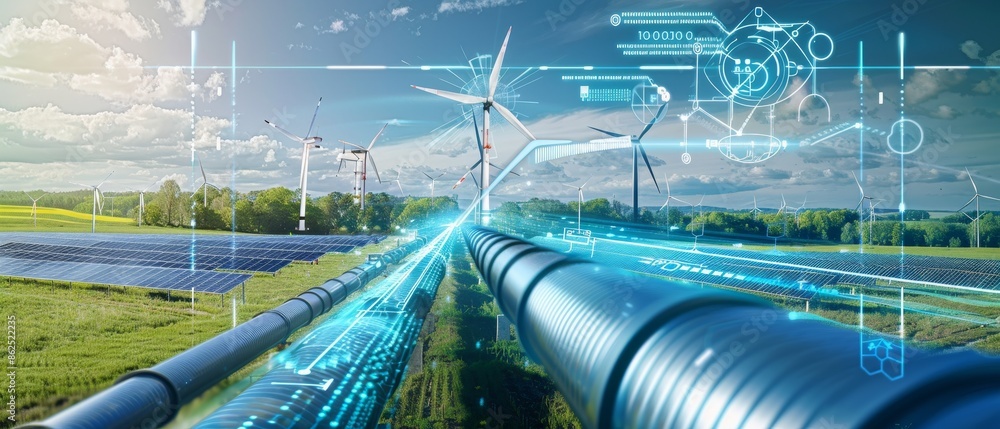

Waste Heat Recovery
Step 01

Waste Heat Recovery

Hydrogen Generation
Step 02

Hydrogen Generation

Hydrogen Integration
Step 03

Hydrogen Integration

Efficiency Loop
Step 04

Efficiency Loop

Cost Breakthrough

The World Is Chasing $1/kg.
NAMO Is Already There.

View Technology

Global Hydrogen Cost Comparison

Grey Hydrogen$1.50–$2.00
Blue Hydrogen$2.00–$3.50
Green Hydrogen$3.50–$6.00
NAMO Supersonic H₂~₹20 (~$0.28)
Verified during Government of India patent evaluation

Note: Cost estimates based on internal patent evaluation and engineering calculations. Commercial-scale validation ongoing.

Patent Granted
IIT Validation
ICF Engagement
OEM Discussions
Global Interest
India Hydrogen Railway Initiative
ICF Chennai — Hydrogen Initiative

India Already Demonstrated Hydrogen at Scale

National railway hydrogen propulsion initiatives confirm India's commitment.

Govt. of India Proposal Submitted

National Hydrogen Mission alignment

IIT Validation Underway

Real operating conditions — not just lab

Patent Cost Validation Completed

₹17.60/kg verified during patent evaluation

Government Alignment

India Is Already Moving.
NAMO Is Already There.

India's hydrogen transition has already begun. Hydrogen propulsion initiatives under Indian Railways and national clean energy programs confirm the country's long-term commitment to hydrogen mobility.

NAMO Hydrogen has submitted a formal proposal aligned with India's National Hydrogen Mission and renewable energy roadmap.

"By 2031, the majority of automobiles in India will run on hydrogen."

— Nitin Jairam Gadkari · Attribution subject to official public verification before publication.
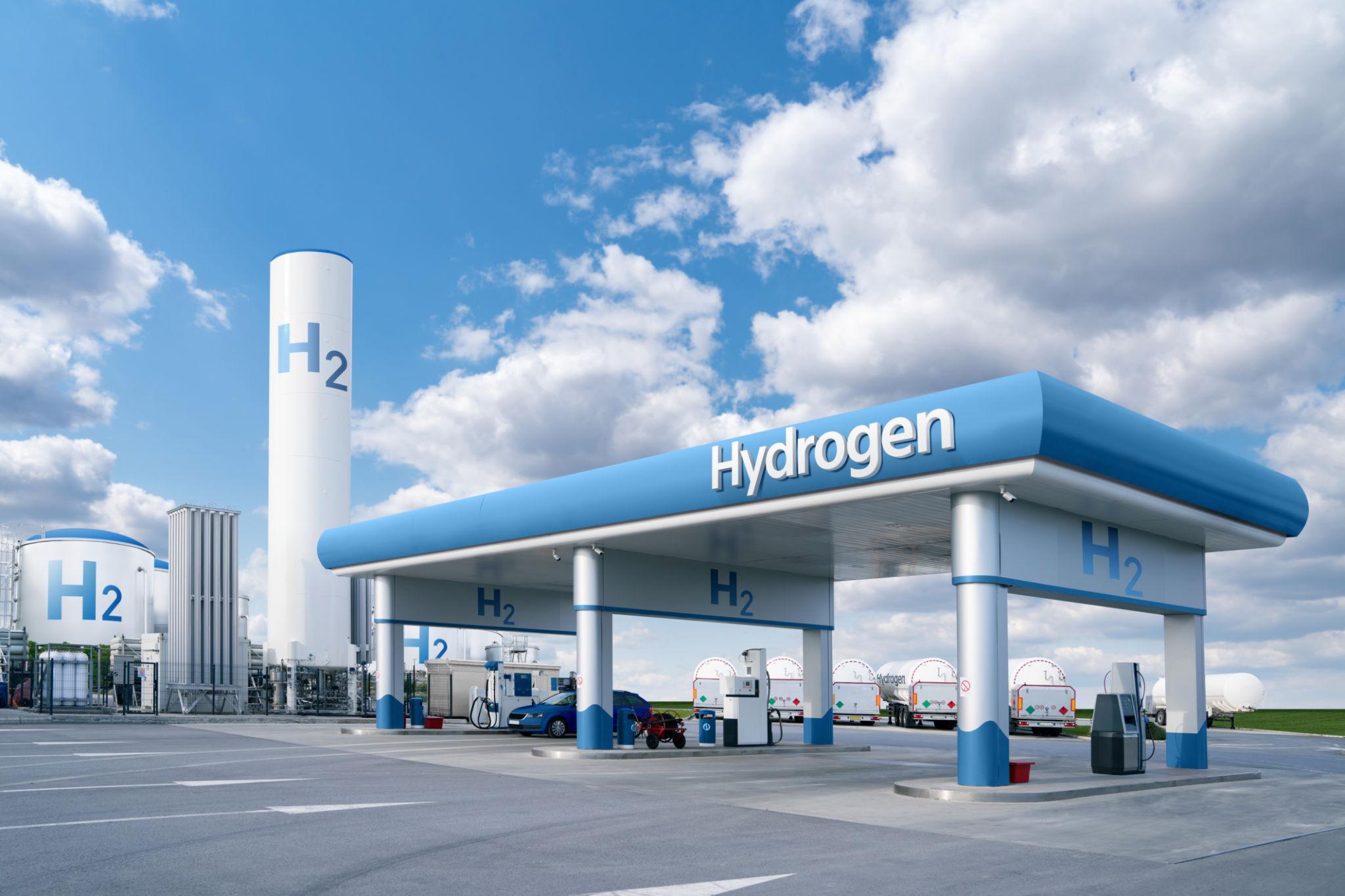
Govt. of India Proposal SubmittedICF Chennai — Hydrogen InitiativeTransport Ministry Engagement ActivePatent Cost Validation CompletedIIT Validation UnderwayHydrogen Mobility Alignment
India Government Hydrogen Initiative

Government Momentum

National Hydrogen Mission — 2031 Mandate

Proposal Submitted

Govt. of India

Patent Status

Granted — Verified

H₂ Target Year

2031 Mandate

Vehicle Fleet

300M+ in India

Clean Energy
Conventional vs NAMO

A Genuinely Decentralised
Energy Model

Conventional Hydrogen

NAMO Hydrogen

Dependent on centralized production
Distributed onboard generation
Requires transport infrastructure
Generated where energy exists
Requires high-pressure storage
Consumed immediately, no storage
Dependent on fueling networks
Infrastructure-independent operation
Geography-limited deployment
Works wherever engines operate
Why NAMO is Different