
Distributed Self-Sustaining Hydrogen Fuel Generation
DSHFG is an onboard hydrogen generation architecture that captures waste heat from the engine and converts it into usable hydrogen energy — creating a decentralized hydrogen ecosystem where waste heat becomes usable energy, distilled water becomes hydrogen fuel, and combustion efficiency continuously improves.


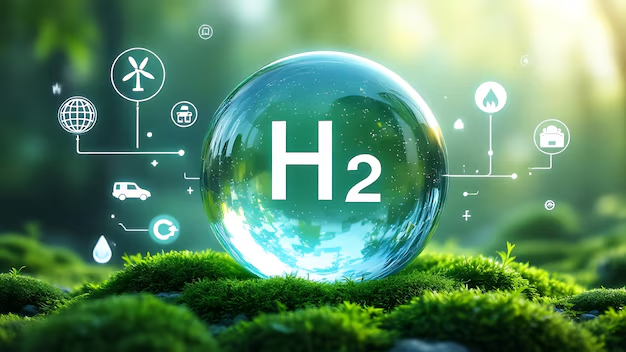
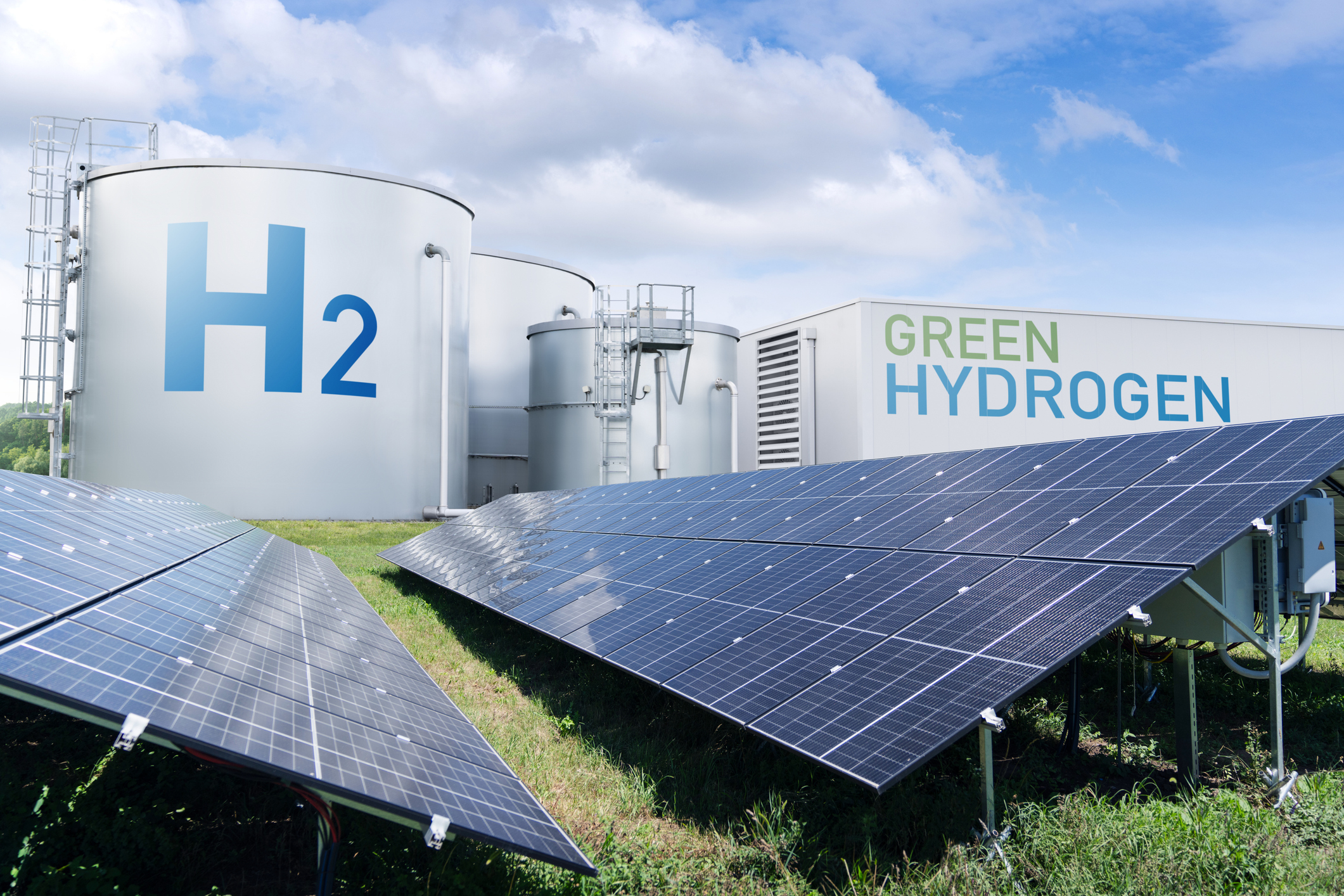
NAMO DSHFG Architecture — Closed-Loop System
The result is a continuously optimized hydrogen combustion ecosystem.
No Stations. No Storage.
No Infrastructure.
No Hydrogen Station Dependency
Hydrogen is generated onboard instead of being transported from external fueling infrastructure.
Real-Time Hydrogen Utilization
Hydrogen is produced and consumed continuously within the system itself — reducing large storage dependency.
Existing Engine Compatibility
Designed for integration with internal combustion engine platforms for real-world deployment potential.
Infrastructure-Independent Architecture
No large-scale hydrogen pipelines, fueling grids, or centralized distribution systems required.
Self-Sustaining Energy Logic
Every cycle strengthens the efficiency of the system itself — wasted heat converted into fuel-generation support.

Water-to-Hydrogen Advantages
The World Targets ₹83/kg.
NAMO States ₹17.60/kg.
Global hydrogen programs aim to reduce production costs below $1/kg (~₹83). NAMO's DSHFG system achieved a verified production cost of ₹17.60/kg during Government of India patent evaluation.
Cost estimates based on internal patent evaluation and engineering calculations pending independent commercial-scale validation.
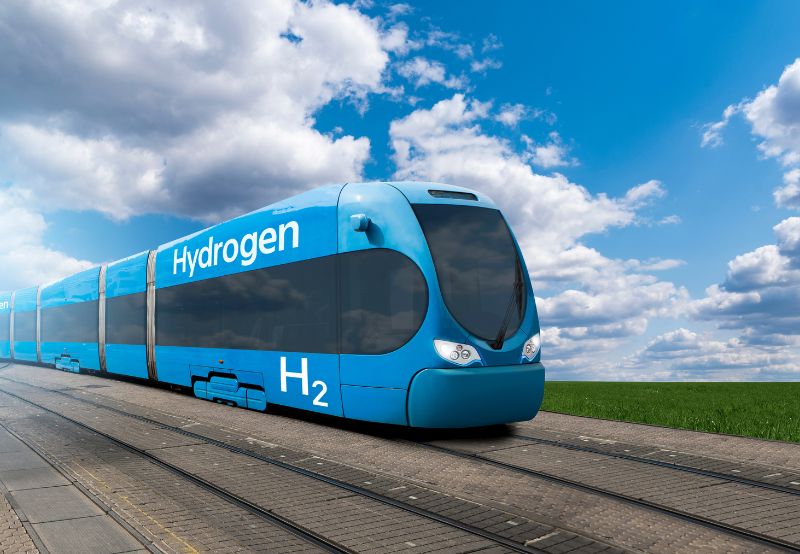
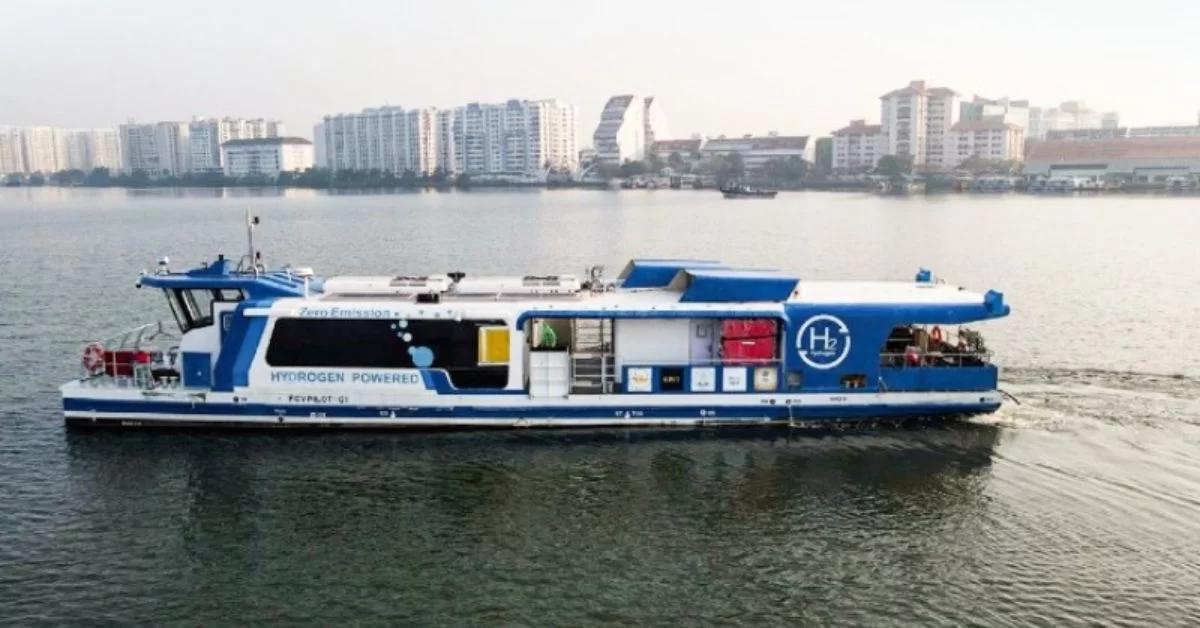
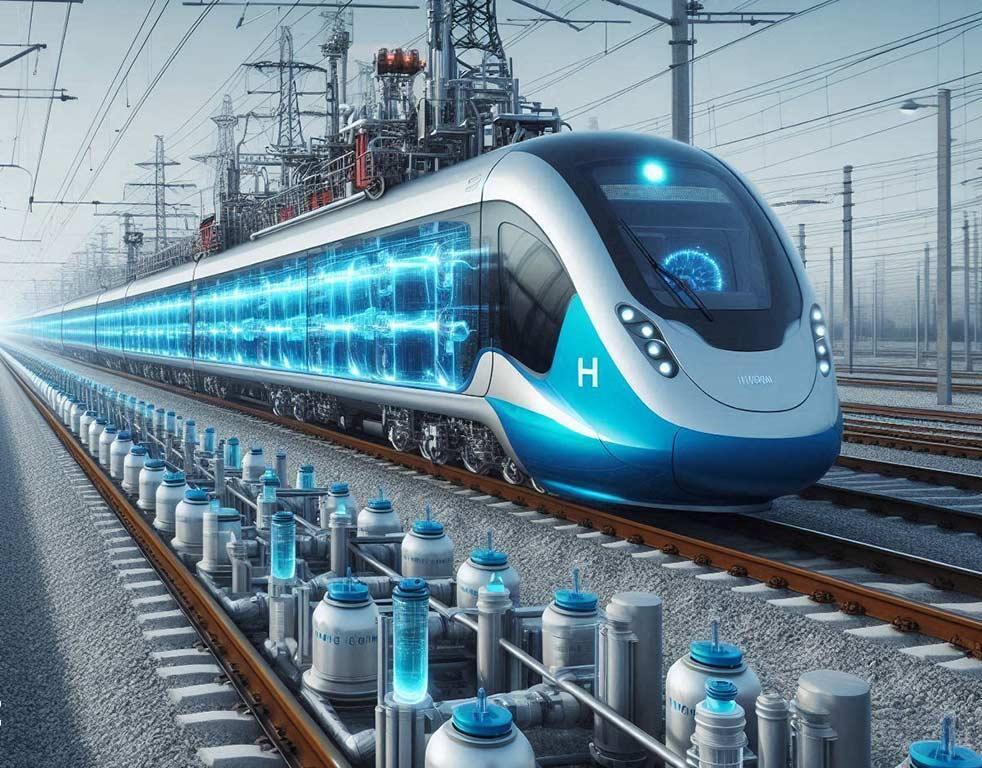
Waste heat becomes usable energy.
Water becomes hydrogen fuel.
Combustion becomes cleaner.
NAMO Hydrogen represents a new approach to decentralized hydrogen mobility and self-sustaining energy innovation.